PANAMA FISHING REPORT NOVEMBER 2024 —
30+ FISH DAYS AFTER THE STORM
The first two days were a test. Day three flipped everything. Thirty-plus fish, big bust-offs and nonstop action — this is what Panama looks like when patience finally pays off.
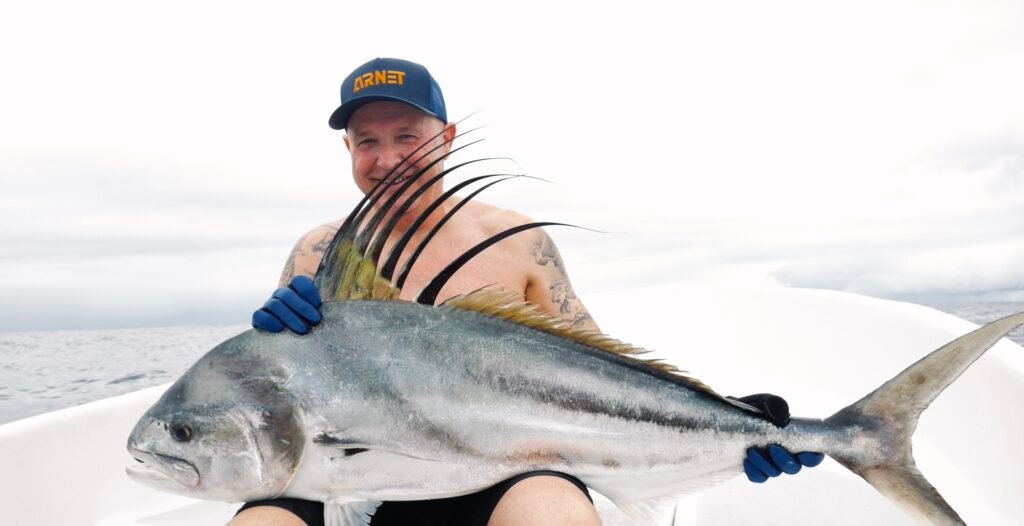
Tuna Coast, Panama — November 2024 · Sparidae Fishing Expeditions
The Panama fishing report November 2024 started with a reality check: weather decides everything. The first days were complicated — unstable conditions, the kind of sea that forces you to fish smarter, not harder. Wind, swell and shifting currents can turn a dream week into a test of patience, planning and timing. We adapted every day: changing areas, tweaking presentations, reading the water until we found the windows that allowed us to fish effectively.
One of the goals early in the week was giant tuna — we went for it with full commitment, scanning the right water and working the zones where they should appear. The ocean did not give us much. Despite doing everything right, we could not convert that day into a capture. That is offshore Panama Tuna Coast storm fishing sometimes: you can be in the right place with the right gear and still come back empty-handed. What defines the week is how you respond to those days.
Fishing Panama in a Storm — November 2024 · Sparidae
Panama Fishing Report November 2024 — Day Three: Everything Changes
The key was not getting stuck in that frustration. We treated those first days as part of the process — time to dial in the team, refine the approach, and stay ready for the moment the conditions turned. And then, on day three, this Panama fishing report November 2024 became a completely different story. The weather improved, the water cleaned up, and suddenly Panama felt like Panama again. Currents began to form better edges, bait started showing, and the activity level went through the roof. From that point onward: multiple hookups, constant movement, and days where we landed 30+ fish.
"Don't judge Panama by the first day. Stay patient, stay prepared — because when the weather opens the door, Panama gives you some of the most productive fishing days of your life."
Los primeros días — adaptando la estrategia al clima
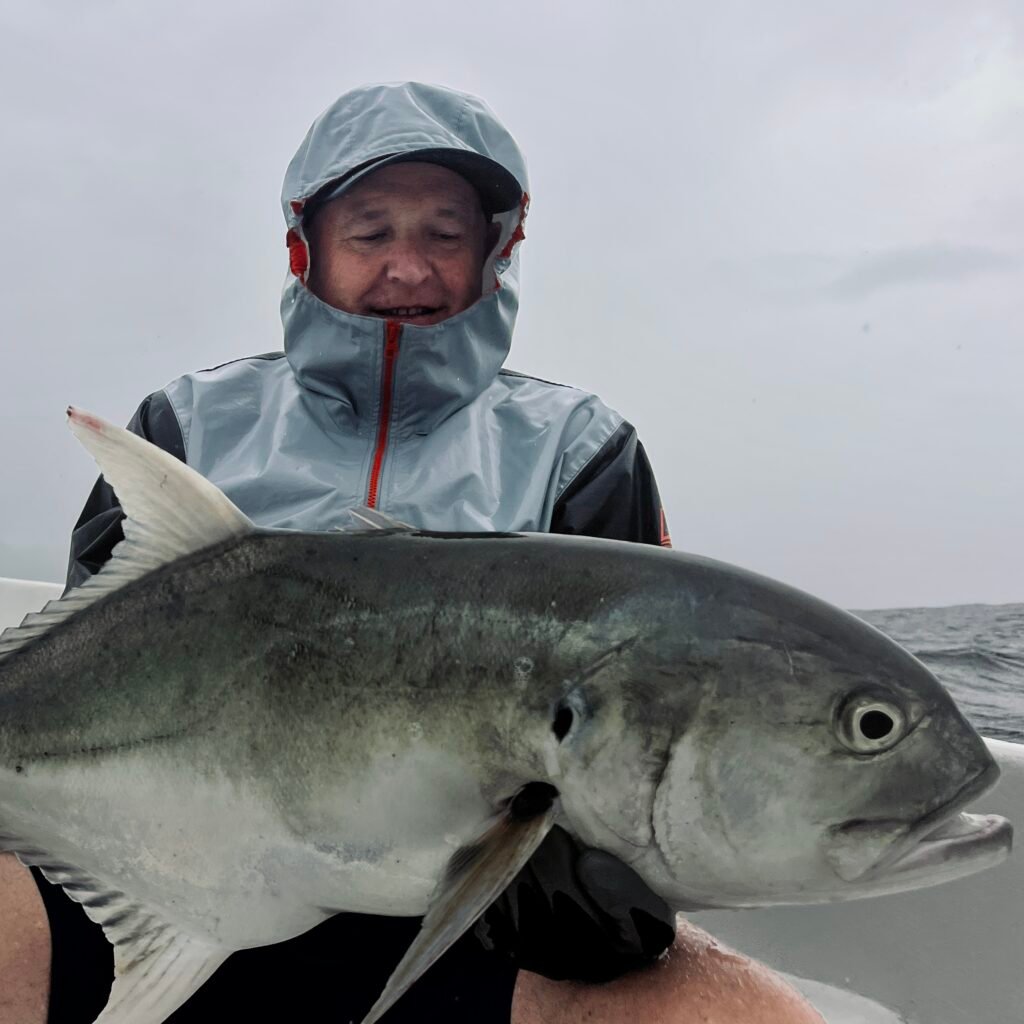
Panama Fishing Report November 2024 — Amberjacks, African Pompano & Jacks
We also had several break-offs with big fish — the kind that remind you why tackle preparation matters. In Panama, pressure happens fast. Powerful runs, violent head shakes, sudden direction changes. Those losses hurt, but they are also a lesson: when the fish are big and aggressive, everything must be perfect.
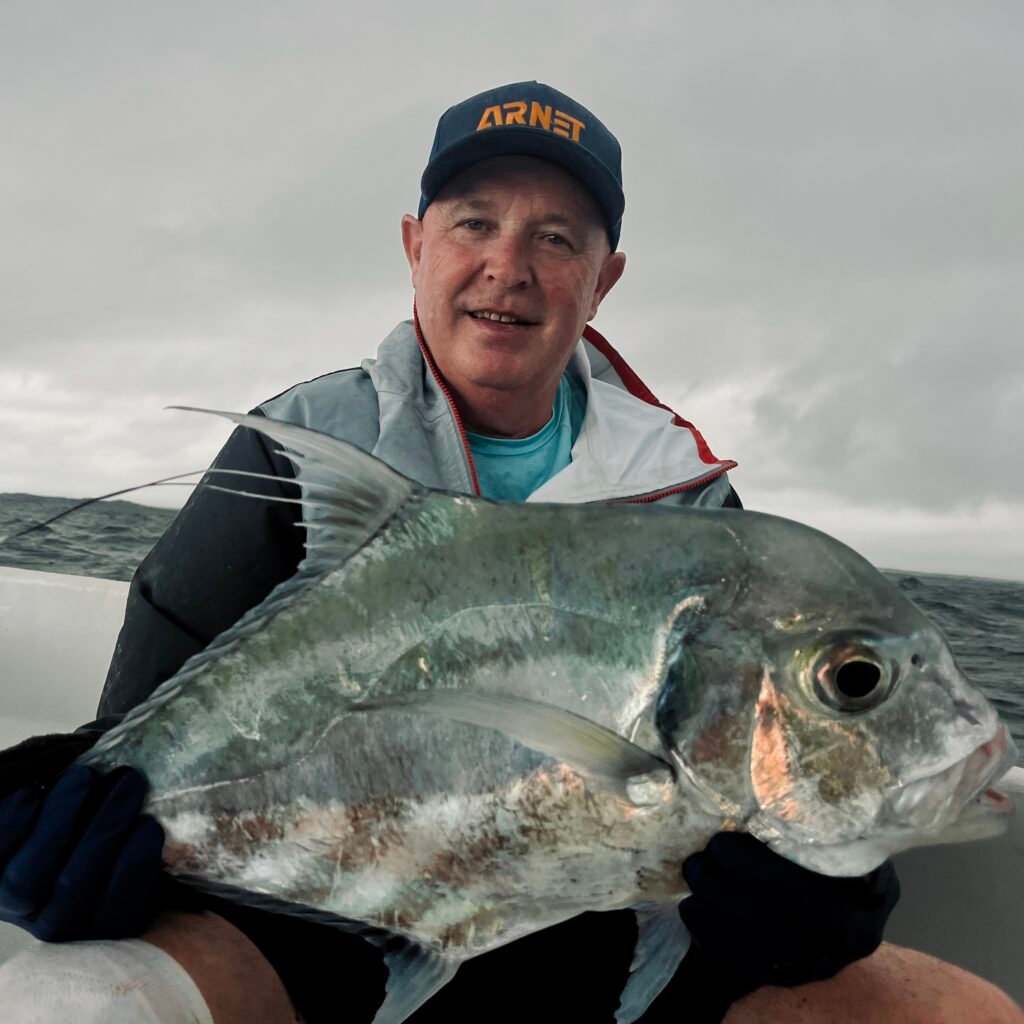
In terms of dominant species, this Panama fishing report November 2024 was defined by three stars: amberjacks, jacks and African pompano. Amberjacks were relentless — strong, stubborn, built for hard fights. The jacks brought explosive energy: fast bites, powerful runs, no mercy. And the African pompano Panama fishing were the real highlights — beautiful fish, technical fights, sharp and fast and intense. When you connect with a good pompano, you feel immediately that it is a different kind of fight from anything else on the Tuna Coast.
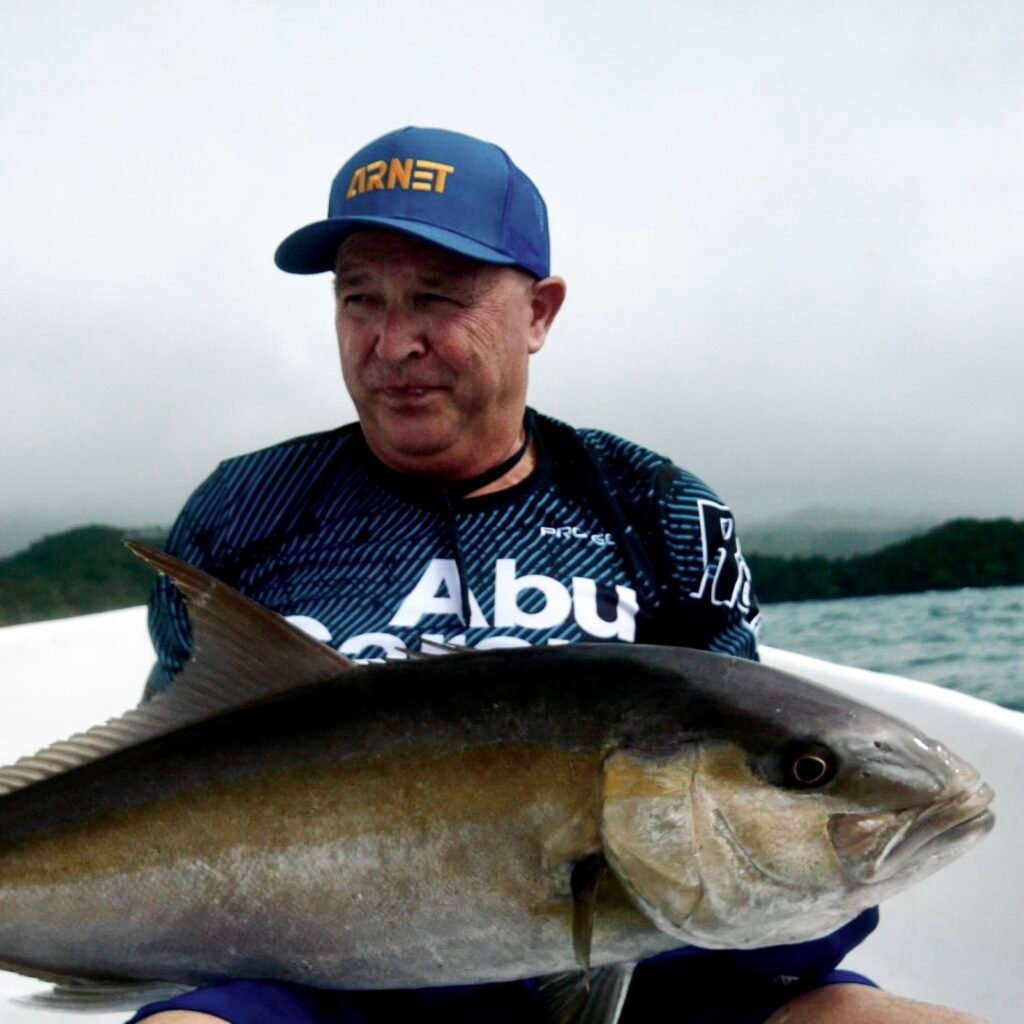
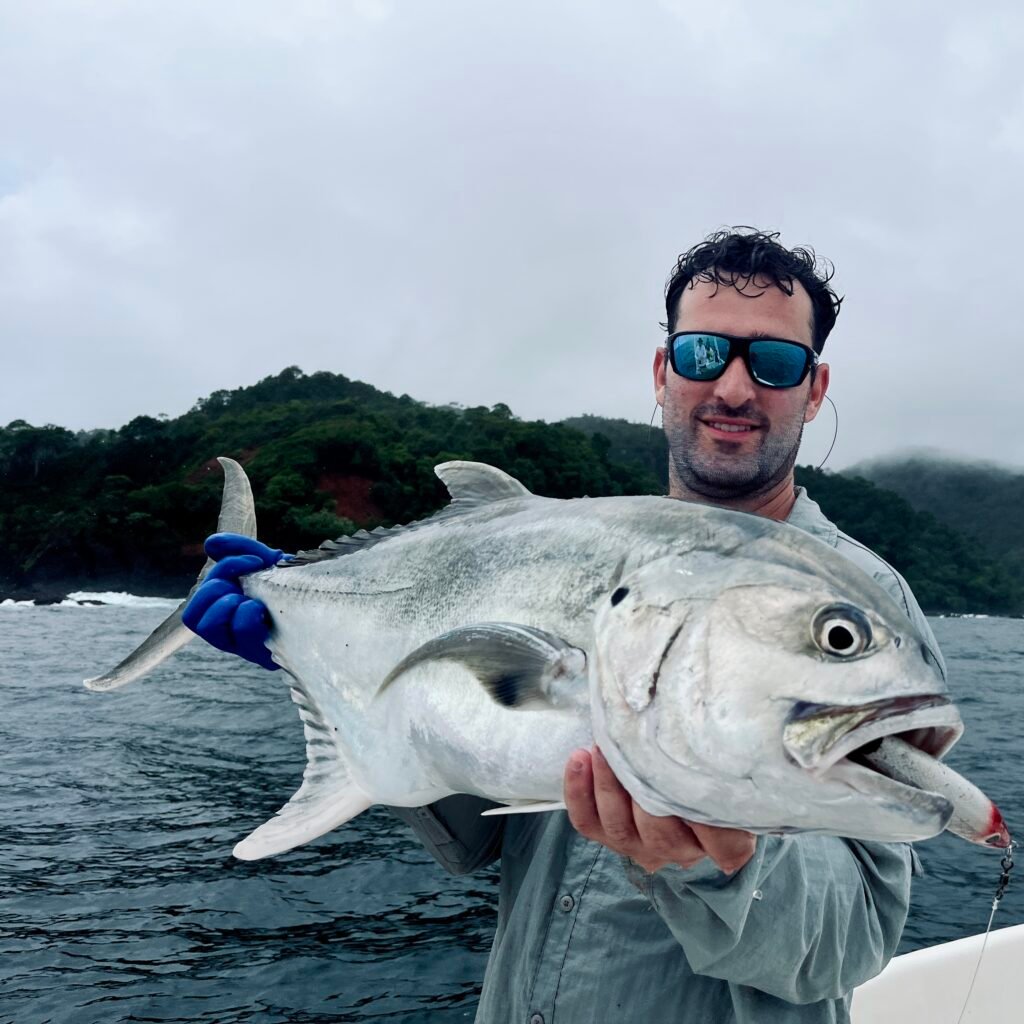
African pompano y amberjacks — las estrellas de la semana
What made the second half of the trip special was the rhythm. Once conditions stabilized, we could plan properly — set the day around the best tide moments, fish the key windows, stay consistent. The early struggle was worth it. The difficult start made the turnaround sweeter, and the day-three shift is what makes this Panama fishing report November 2024 one of the most honest accounts of what the Tuna Coast can demand — and deliver — in the same week. See the full storm expedition video and our expedition films.