
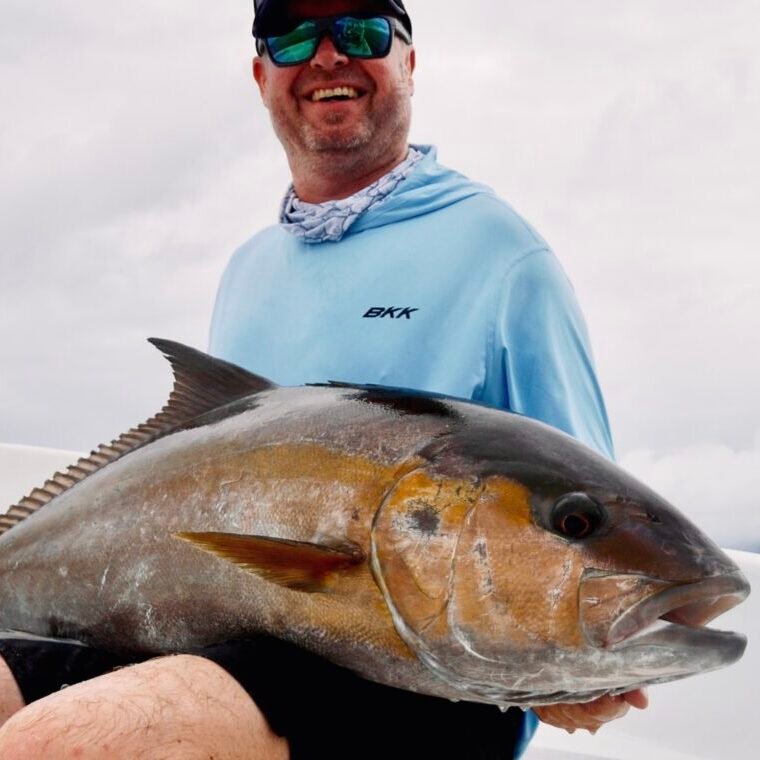
On the wild Pacific Coast, this Panama Fishing Expedition takes place in front of one of the country’s most untouched shorelines. Remote, lightly pressured and rich in structure, these waters offer exceptional opportunities for Roosterfish, powerful Cubera and eaxplosive Yellowfin Tuna.
Why choose a small village for this Panamá Fishing Expedition?
Unlike large commercial lodges operating from busy marinas, this Panama Fishing Expedition is based in a small, authentic fishing village on the Wild Pacific Coast.
There are no fleets of boats racing to the same reef each morning, no crowded fishing zones, and no pressure created by high daily traffic.
Fishing from a small village changes the rhythm completely. The coastline remains lightly pressured, access to structure is immediate, and the experience feels personal rather than industrial. Here, you fish where local captains have worked for generations — not where marketing departments send clients.
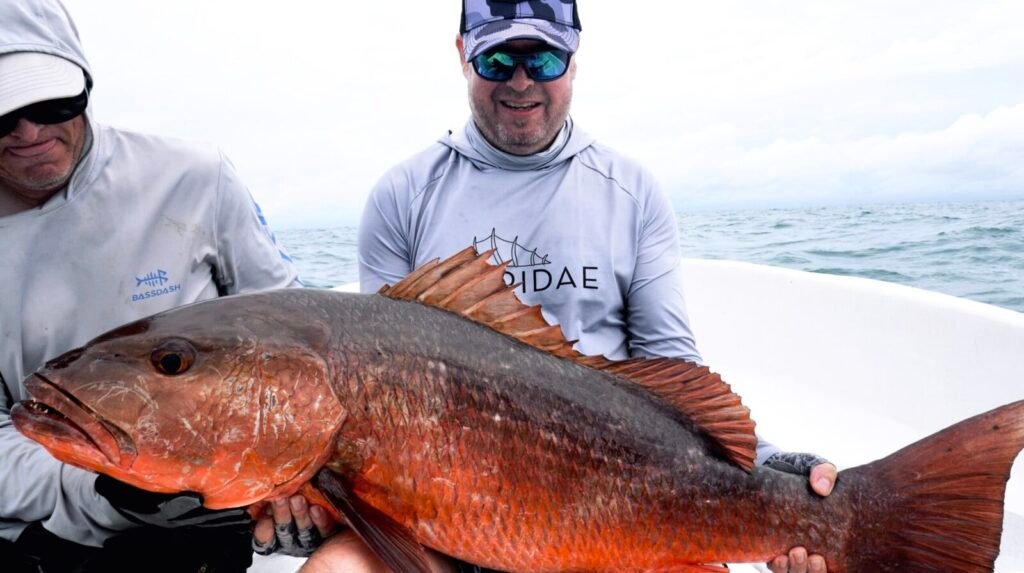
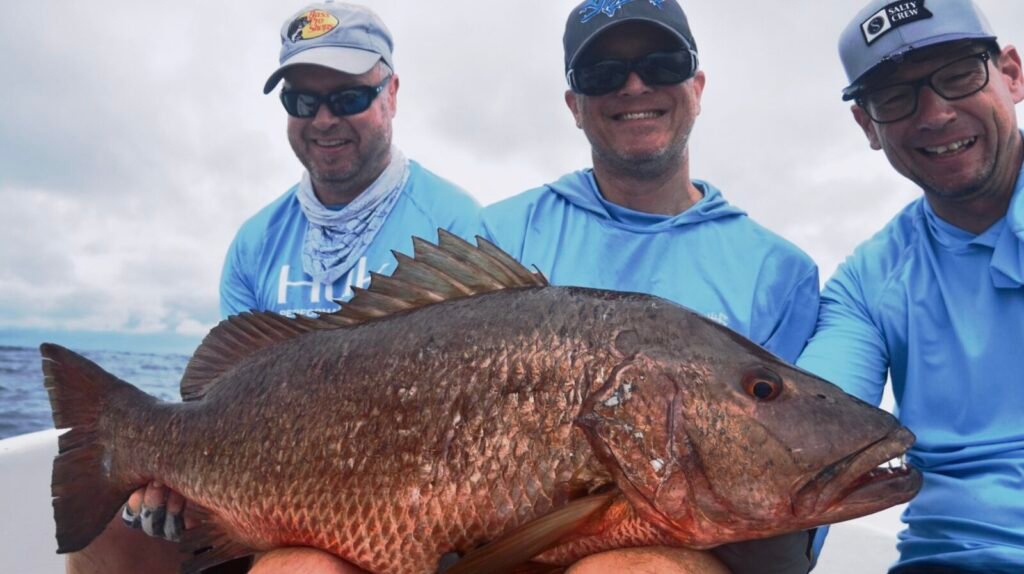
This approach creates real opportunity. Roosterfish thrive along untouched surf lines, Cubera Snapper hold tight to heavy structure rarely disturbed, and Yellowfin Tuna move through offshore corridors without constant boat pressure.
The result is a more authentic, strategic and rewarding Panama Fishing Expedition.
This Panama Fishing Expedition was developed after spending over a month travelling and fishing along the entire Pacific coastline of Panama. After exploring multiple areas, we chose this small village for its untouched structure, low pressure and strong populations of large, healthy fish.
The region offers three primary objectives: Roosterfish, Cubera and Yellowfin Tuna. Popping is particularly effective during the first half of the year, when surface activity increases and roosterfish and YFT respond aggressively around rocky points and current-washed structure.
Jigging becomes more productive in autumn, focusing on medium-light setups over reef edges and offshore structure. Most reef species here average between 20–30 kg at maximum size — powerful fish that demand control but remain technical rather than extreme. Yellowfin tuna are the exception, capable of reaching significantly larger sizes when conditions align offshore.
For anglers seeking a more specialized experience, it is also possible to organize an exclusive tuna and pelagic-focused expedition, targeting migratory fish along offshore currents.
The combination of virgin coastline, healthy fish density and seasonal technique variation creates a versatile and strategically rewarding Panama Fishing Expedition.
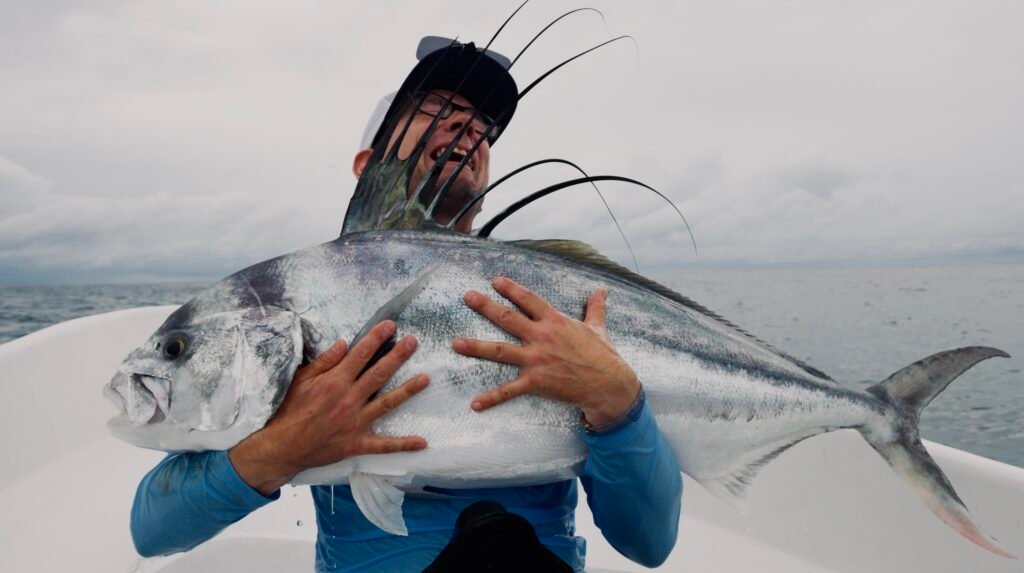
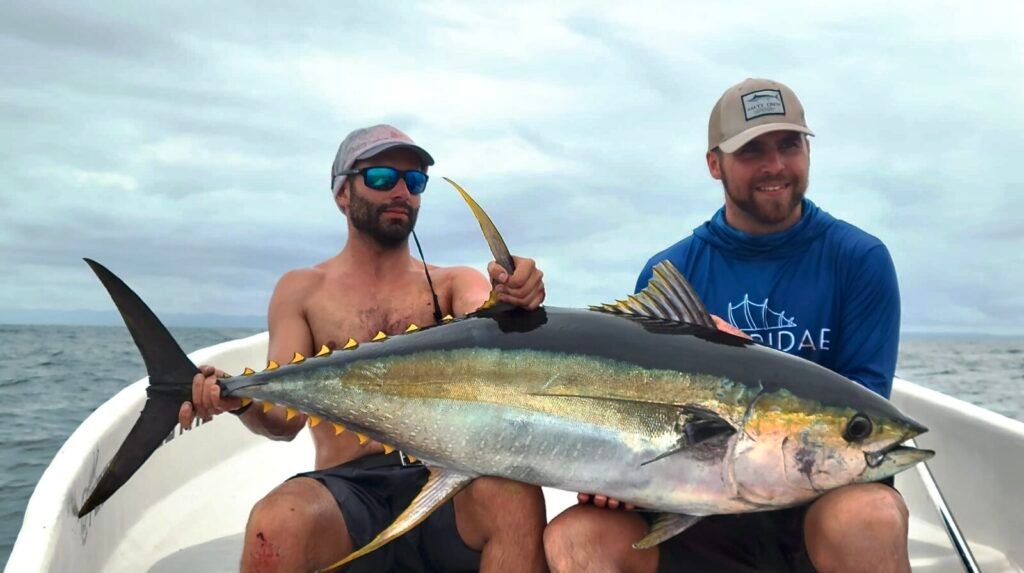
This expedition is an ideal first tropical fishing experience. The average size of the fish — typically in the 20–30 kg range for roosterfish and cubera snapper — makes this destination accessible and technically rewarding without requiring extreme heavy-tackle experience.
It is particularly well suited for anglers targeting their first Yellowfin Tuna in Pacific waters, as well as for those who dream of catching Roosterfish Panama along untouched surf lines and rocky structure. The combination of inshore action and offshore opportunity creates a balanced introduction to tropical fishing environments.
This expedition is not about chasing record-breaking fish; it is about experiencing a wild and productive Pacific coastline in an authentic setting. For anglers looking to step into tropical waters with realistic targets, strong fish populations and diverse techniques, Justice Expedition 4 offers the perfect starting point.
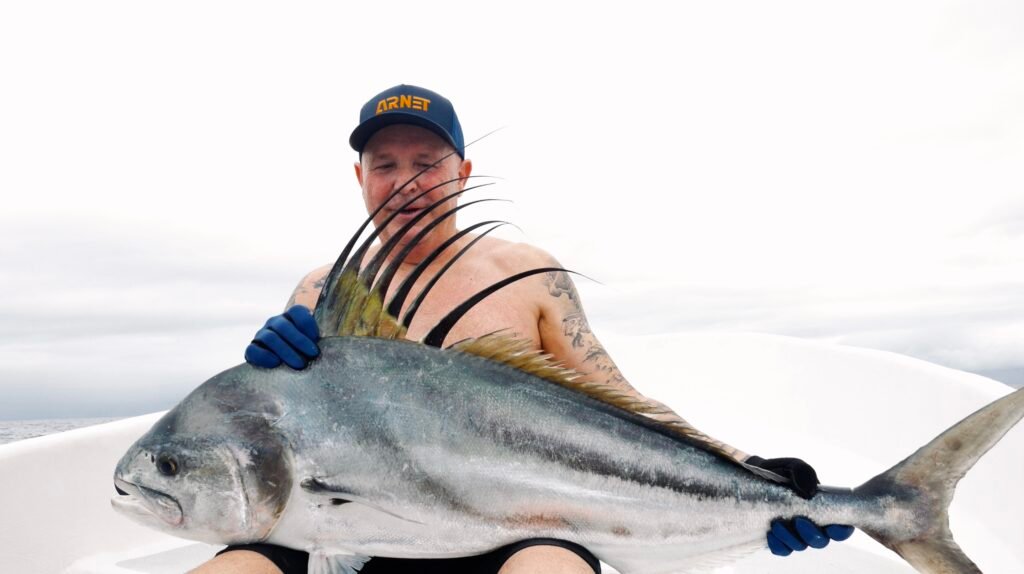
Panama Fishing on the Wild Pacific Coast is shaped by two clear seasonal periods. The rainy season generally runs from July to October, while the dry season extends from December to May. Water temperature remains warm year-round, but rainfall, wind patterns and bait movement influence how we plan each expedition.
The transitional months — particularly June, July, November and December — are excellent for targeting rock-oriented species such as Cubera Snapper, roosterfish, jacks and many other in Panama.
From February onward, summer species become more active offshore. Yellowfin Tuna Panama and other pelagics are most consistent during February, March, April and May, when bait concentrations build along offshore current lines. Although these months are considered peak tuna season, yellowfin can still be encountered well into July or even August, depending on ocean conditions.
Understanding these seasonal rhythms allows us to adjust focus — from structure-based reef fishing during transition periods to more dedicated offshore tuna and pelagic sessions during peak movement windows — maximizing opportunity throughout the year.
Fishing from a small village on Panama’s Wild Pacific Coast comes with responsibility. This stretch of coastline remains lightly pressured compared to larger commercial hubs, and preserving that balance is part of our commitment.
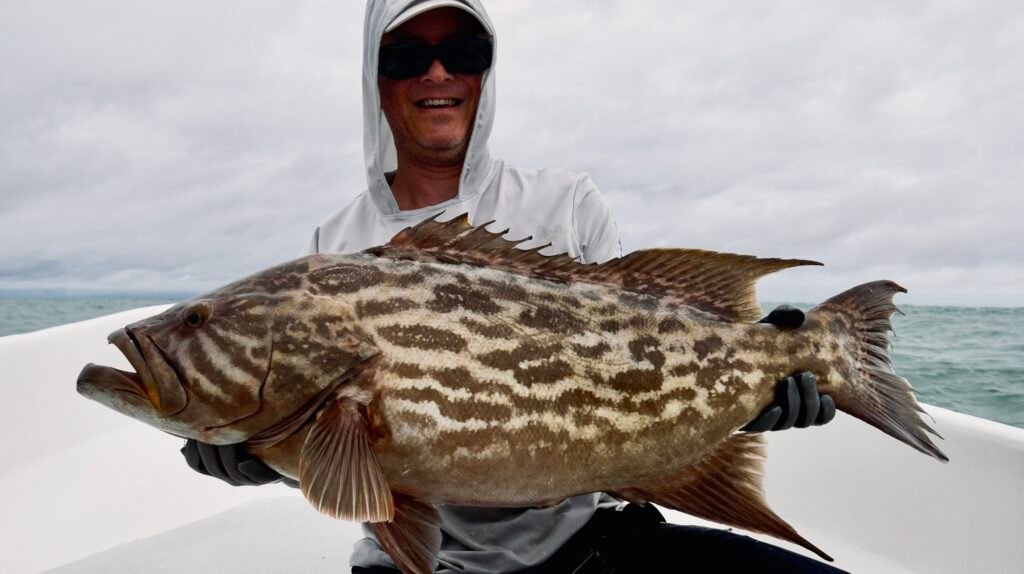
All species are released whenever possible, maintaining healthy populations for future seasons. In selected cases, certain YFT may be retained responsibly in collaboration with local communities, contributing directly to fresh fish supply without compromising sustainability.
We operate on a small scale, respecting local rhythms and working alongside the community rather than overwhelming it. This is not industrial sport fishing — it is a measured, respectful approach to a coastline that still feels raw and authentic.