
Amirantes Islands

Seychelles Catamaran Fishing: Amirantes Islands

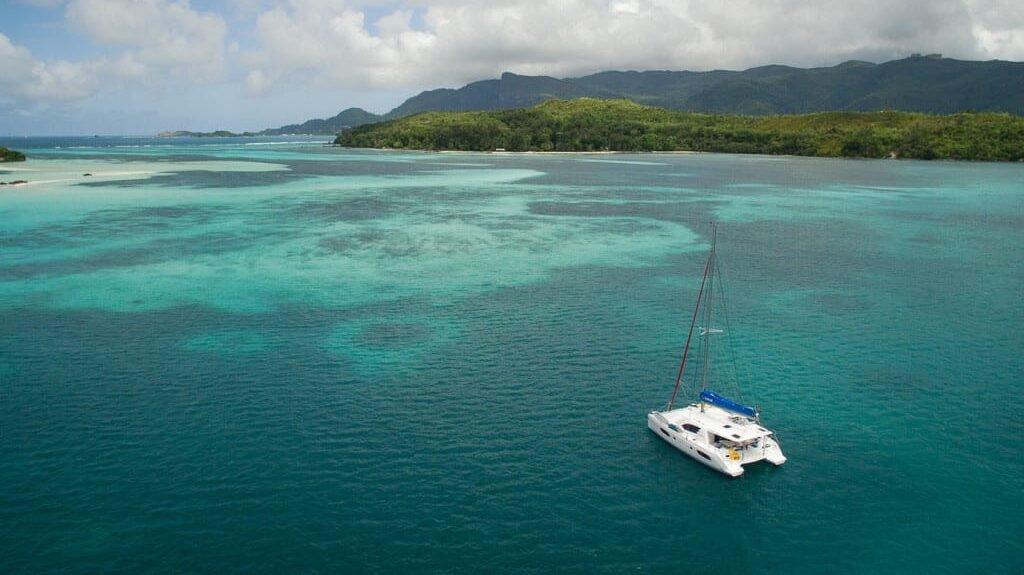
Our Seychelles catamaran fishing expedition explores the remote Amirantes archipelago through a true liveaboard format, allowing us to move between offshore banks and outer reef systems with total flexibility. This is not resort-based fishing — it is a mobile Indian Ocean expedition focused on powerful dogtooth tuna, deep jigging and untouched offshore structure.

Sail one day to reach the most remote Indian Ocean waters for Dogtooth tunas.

Seychelles catamaran fishing

Strategic Advantage of a Catamaran in the Amirantes.

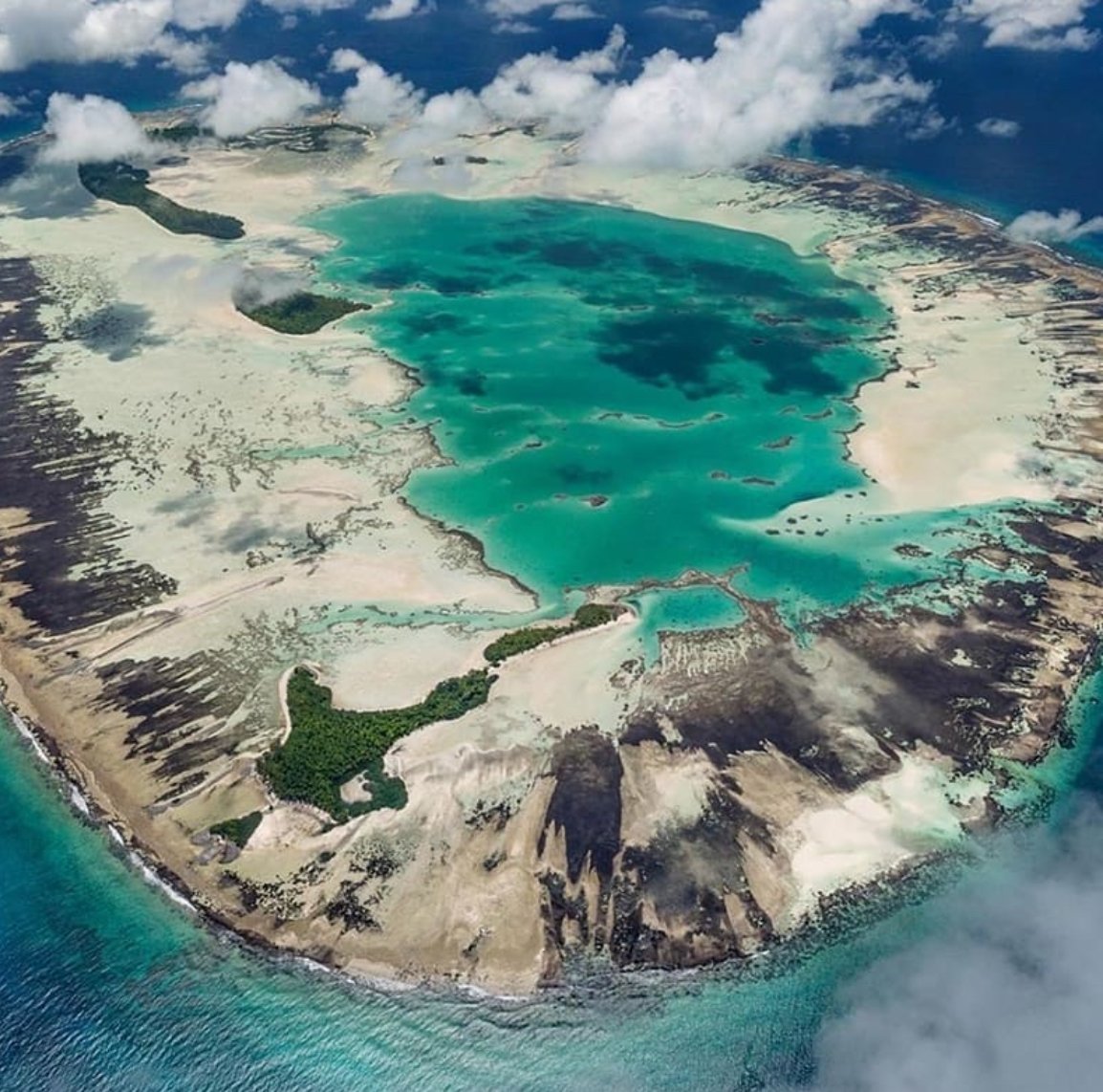
  The Amirantes Islands form part of the remote Outer Islands of Seychelles, located approximately 220 kilometers southwest of Mahé and over a full day’s navigation from the nearest major land base. Reaching this archipelago requires roughly a day and a half at sea, reinforcing its isolation and preserving its wild character. The region is defined by vast reef systems, offshore banks and big dogtooth tunas.

  The catamaran format provides the freedom to reposition between reef edges, deep drop-offs and isolated banks — targeting the most productive water each day.

  This flexibility is essential when pursuing dogtooth tuna. These powerful predators hold on structure influenced by current and depth, and being able to adjust location in real time significantly increases opportunity.


  Operating in lightly pressured waters, far from high-traffic fishing zones, preserves the wild nature of the fishery. The result is a true offshore experience — remote, dynamic and strategically focused.

Target species & techniques.

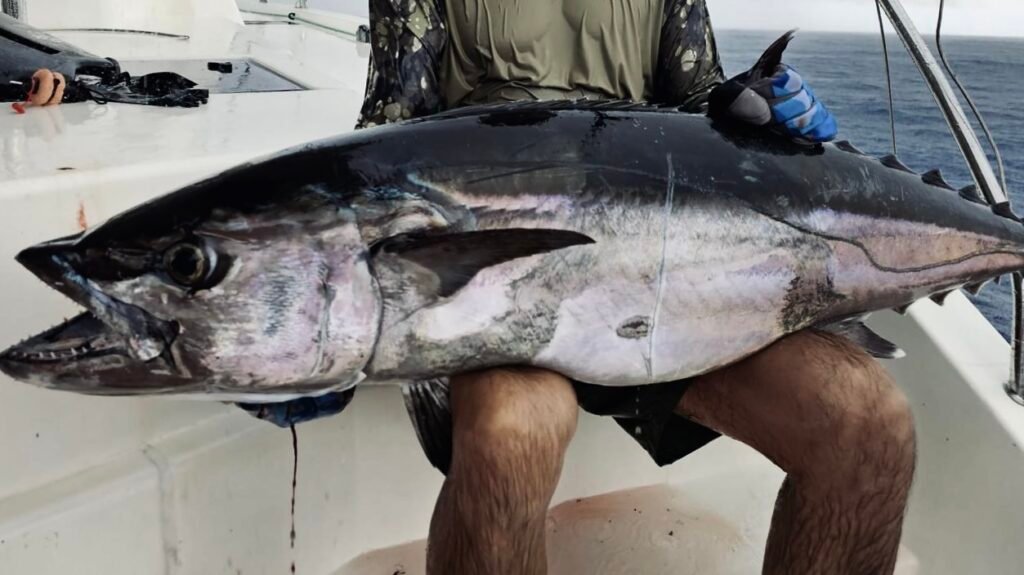
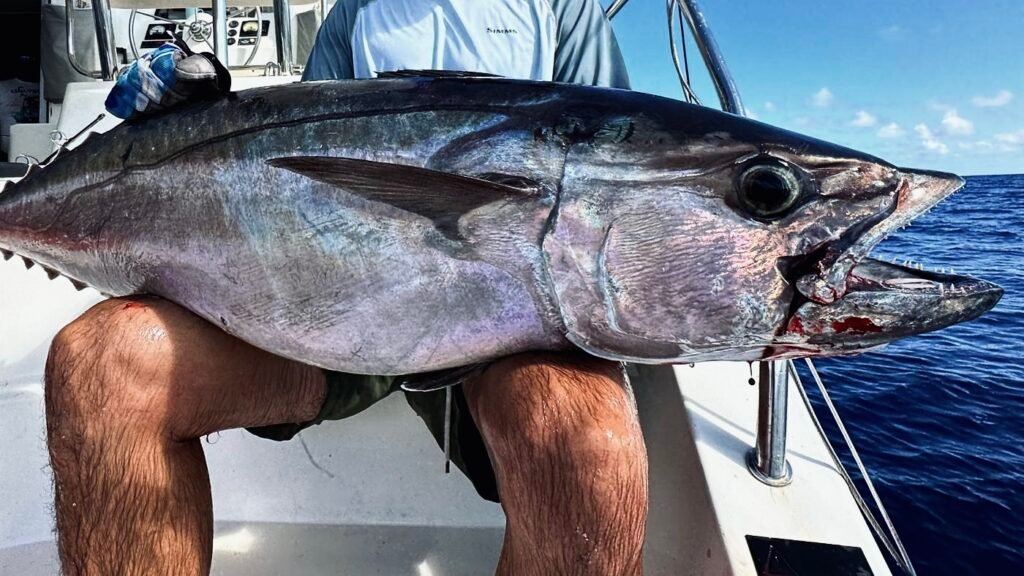
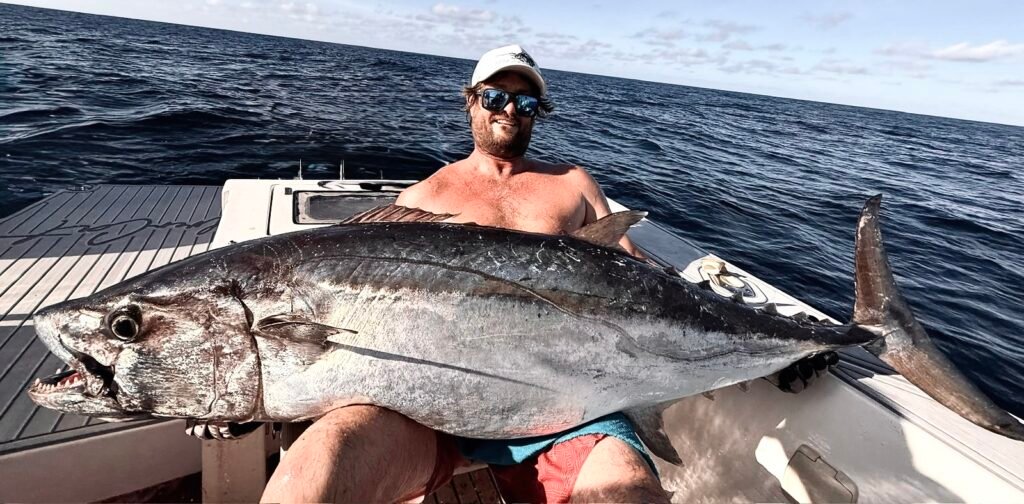
 The primary focus of this Seychelles catamaran fishing expedition is dogtooth tuna, targeted through extreme vertical jigging over deep offshore structure in the Amirantes. These waters are known for producing large, mature fish, and encounters with dogtooth exceeding 180 cm, sometimes, on popping, are a genuine possibility under the right current and depth conditions.

  Extreme jigging here means working heavy metal jigs over steep drop-offs and offshore banks, often between 60 and 140 meters. Strong Indian Ocean currents demand physical endurance, precise rhythm and constant control. This is not light tackle fishing — it is high-intensity vertical work designed specifically for powerful predators.

  Dogtooth tuna in the Outer Islands hold close to structure and react aggressively when current pushes bait across reef edges. Their first run is explosive, and stopping them before they reach sharp terrain requires discipline, heavy leaders and complete focus.

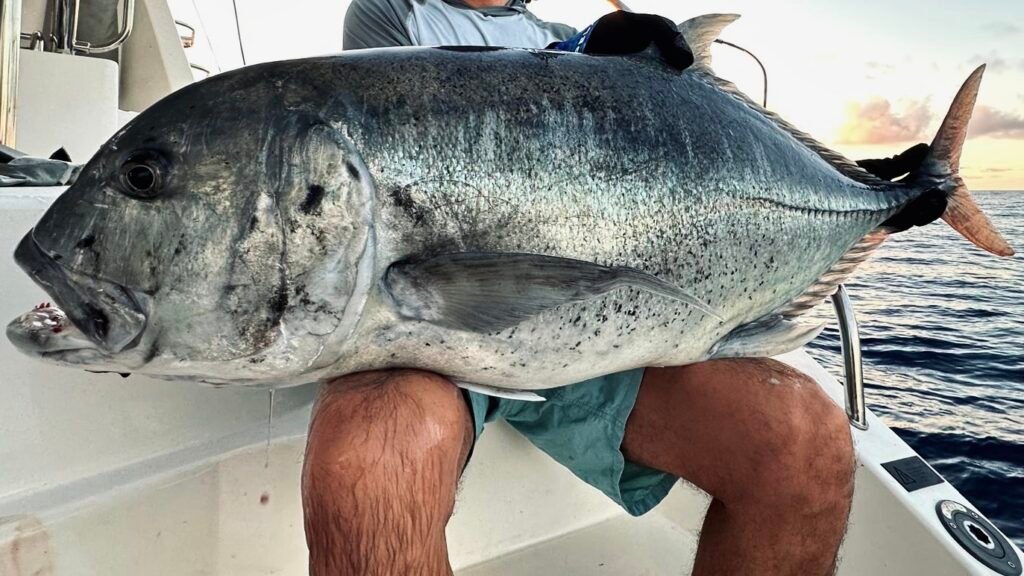
  While dogtooth remain the primary objective, these offshore systems also hold GT arround 30kg, large grouper species and other deep-water predators, adding diversity to the expedition without shifting attention away from extreme jigging for trophy-class fish.

Who This Expedition Is For:

  This Seychelles catamaran fishing expedition in the Amirantes is built for true offshore adventurers. Spending eight intensive days at sea, navigating remote waters over 200 kilometers from the nearest major land base, requires the right mindset as much as physical preparation.

  This is not casual holiday fishing. It is a liveaboard expedition in open Indian Ocean conditions, where long jigging sessions, strong currents and constant movement between offshore banks define the experience. Endurance, adaptability and resilience are essential.

  Anglers joining this journey should be comfortable with extended time at sea and motivated by the pursuit of powerful fish in wild environments. The reward is access to lightly pressured structure and the real possibility of encountering large dogtooth tuna in their natural habitat.

Season & Conditions.

  Seychelles catamaran fishing in the Amirantes is shaped by the rhythms of the Indian Ocean. Weather windows, current strength and sea state define both navigation and fishing performance throughout the season.

  The most stable conditions typically occur from October to December and again from February to April, during the inter-monsoon periods when winds ease and offshore movement becomes more predictable. During these windows, extended crossings of over a full day at sea allow access to remote banks and isolated reef systems more than 200 kilometers from the nearest major landmass.

 Sea state in the Amirantes is rarely static. Moderate movement is common, and long-range navigation between structures is part of the format. These extended crossings are precisely what preserve the fishery’s low pressure and maintain the quality of dogtooth tuna fishing in the region. Water temperatures remain consistently warm, sustaining predator activity year-round, but dogtooth tuna respond most aggressively during strong current-driven feeding windows, particularly when tidal flow accelerates over steep drop-offs and deep offshore banks.

Conservation & Philosophy.

   Operating more than 200 kilometers from the nearest major landmass, in reef systems that remain largely untouched by modern development, carries responsibility. These are not pressured coastal grounds — they are remote Indian Ocean structures that have preserved their wild character precisely because access is limited.

  Our approach is simple: fish hard, but fish responsibly. Dogtooth tuna and key predator species are handled with care, and we operate with a low-impact liveaboard model that minimizes footprint in these isolated environments. We do not come here to exploit what remains untouched — we come to experience it without altering it.

The Amirantes are defined by distance, isolation and raw natural power. Preserving that condition is part of the expedition itself. What makes this fishery exceptional is precisely what we intend to protect.